Middletown NJ Neighborhoods And Housing Options Explained
July 2, 2026
July 2, 2026
Wondering how to make sense of Middletown, NJ when it does not feel like just one neighborhood? That is a common challenge for buyers who start browsing homes here and quickly realize the township offers very different settings, home styles, and commute options depending on where you look. This guide will help you understand Middletown’s main neighborhood patterns, what kinds of housing you are most likely to find, and the tradeoffs that matter most as you narrow your search. Let’s dive in.
Middletown Township covers about 42 square miles, and the township identifies many named sections rather than one single, uniform community. Areas listed by the township include Belford, Chapel Hill, Fairview, Harmony, Leonardo, Lincroft, Locust, Middletown Village, Monmouth Hills, Navesink, New Monmouth, North Middletown, Nut Swamp, Oak Hill, Port Monmouth, and River Plaza.
That matters when you are house hunting because your experience can change a lot from one section to the next. Some pockets are tied closely to the bay and commuter routes, some are centered around older village character, and others feel more like classic inland suburban neighborhoods.
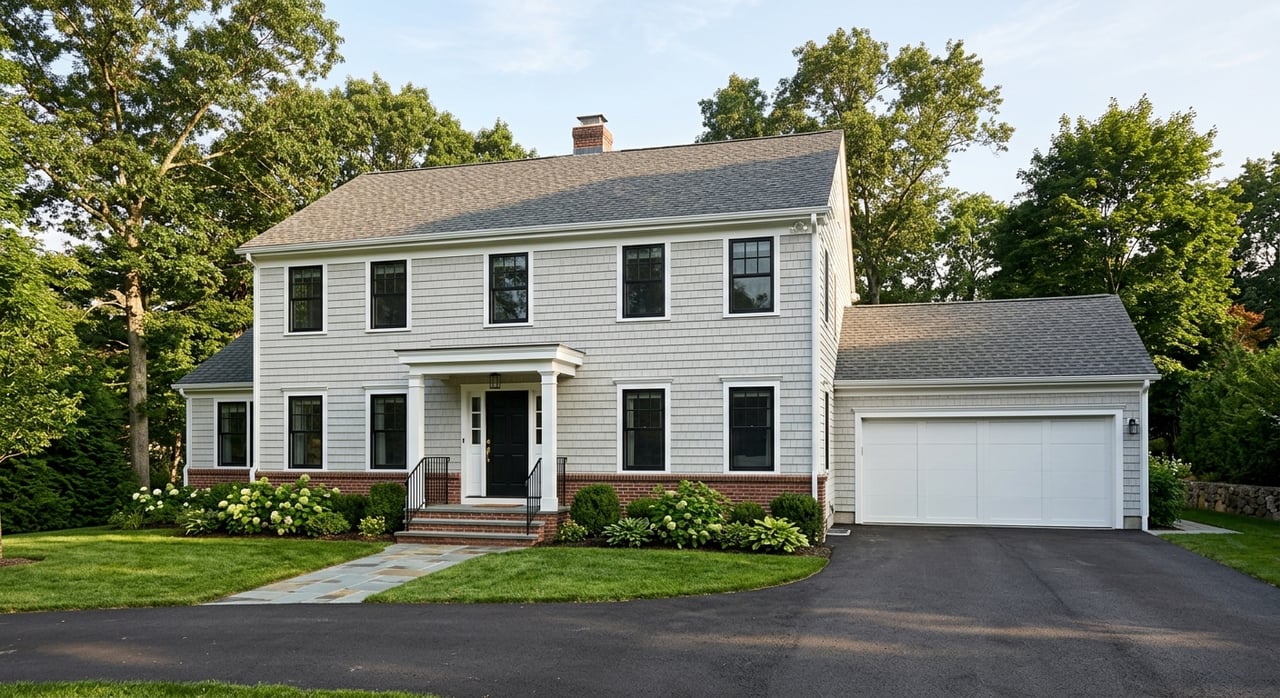
If you picture Middletown as a town of mostly detached houses, you are on the right track. The township’s 2025 Consolidated Plan says the housing stock is primarily single-family detached, and most owner-occupied homes have three bedrooms or more.
The same report shows a strongly owner-occupied market. In 2022, Middletown had 21,188 owner households and 3,768 renter households, with 85.7% of occupied housing owner-occupied. The median owner-occupied home value was $608,300, the median gross rent was $1,532, median household income was $141,810, and the mean commute time was 34.9 minutes.
Another important detail is age of housing. Much of Middletown’s housing was built between 1950 and 1979, so many buyers will come across established neighborhoods, mature lots, and homes that may range from well-kept original condition to fully updated.
One of the clearest ways to understand Middletown is to look first at its bayshore and transit-oriented sections. Belford, Port Monmouth, North Middletown, and Leonardo are often the most connected to waterfront access and commuting options.
Belford stands out for commuters because it has the Seastreak ferry terminal with weekday New York City service and free parking. The township also notes commuter parking near the train station and Academy Bus weekday service to Manhattan along Route 35 and Route 36.
For buyers, that can make Belford especially appealing if getting in and out of town efficiently is high on your list. The housing in these transit-connected pockets often includes older homes and more compact lots compared with some inland sections.
Port Monmouth and North Middletown sit on the bay side of Route 36. The township has published flood-prone streets and evacuation routes for this area, and the Port Monmouth flood-control project remains underway.
That does not mean these sections are off the table. It does mean you should pay close attention to property-specific location, access, and flood-related considerations as part of your search and due diligence.
Leonardo is another bayshore pocket with maritime history tied by the township to the Conover Beacon. Buyers looking here may find the appeal comes from a more water-oriented setting and the distinct identity that many Middletown sections have kept over time.
In practical terms, bayshore areas often include older and more modestly sized homes, along with some renovated properties. Recent listing snapshots in the area show that inventory can range from smaller older capes to much larger updated single-family homes.
If you are a first-time buyer or want to stay close to transit, these areas may give you options worth watching. If you want maximum yard space or a more typical suburban streetscape, inland sections may feel like a better match.
If charm, architectural variety, and a stronger sense of history matter to you, Middletown’s historic village and river-road pockets deserve a close look. This group includes Middletown Village, Navesink, Locust, Chapel Hill, and Monmouth Hills.
Middletown Village is the township’s oldest core, laid out along Kings Highway and Red Hill Road. Its district includes 18th- and 19th-century buildings along with later Colonial Revival, Four Square, and bungalow infill.
Navesink also has a village form with buildings closer to the street and a strong 19th-century character. If you are drawn to homes and streetscapes that feel different from a standard subdivision, these two sections may stand out right away.
Locust runs along Locust Point Road and Navesink River Road, with wooded lots, river views, and a history as a farming and fishing village that later became a summer estate area. Chapel Hill sits on a ridge in central Middletown and is one of the township’s designated historic districts.
Monmouth Hills began as a summer-cottage enclave developed through the Water Witch Club, with curving roads and original cottages largely built from 1896 to 1909. These sections tend to attract buyers who value setting, character, and unique architecture over a more uniform neighborhood layout.
The township’s historic district list includes Chapel Hill, Locust, Monmouth Hills, Navesink, and Middletown Village. For buyers, that is important because owning in a historic area can shape how you think about updates, renovations, and exterior changes.
If you love older homes, this can be part of the appeal. You just want to make sure the home’s style, upkeep needs, and any district-related considerations fit your goals before you move forward.
If your ideal home is a colonial, split-level, or expanded ranch on a larger lot, Middletown’s inland sections may be your best fit. Lincroft, Oak Hill, New Monmouth, and River Plaza are among the township’s classic inland residential areas.
Township history describes Lincroft as an old crossroads community, while Oak Hill grew from a late-1950s housing development. Current listing snapshots suggest these sections often lean toward larger single-family homes, including custom colonials, center-hall colonials, expanded ranches, and homes with more yard space.
For many move-up buyers, these areas check a lot of boxes. You may get a more traditional suburban layout, larger lots, and a housing mix that feels familiar and flexible.
New Monmouth is another established inland pocket with roots going back to the 1850s. River Plaza is identified by the township as a crossroads community dating to around 1900.
These sections add to the overall picture of Middletown as a collection of long-established residential pockets rather than one central downtown. Depending on the exact property, buyers may find a blend of older homes, updated homes, and streets with a more settled neighborhood feel.
Most housing in Middletown is still detached single-family. Still, listing snapshots also show some condo and townhome inventory in the township, which means attached housing is available even if it makes up a smaller share of the market.
That can be useful if you want lower-maintenance living or a different price point than a larger detached home. Because this slice of inventory is smaller, it often helps to watch the market closely when a suitable option appears.
For many buyers, Middletown’s biggest advantage is that it combines residential variety with multiple commuting options. NJ Transit’s Middletown New Jersey Station is on the North Jersey Coast Line, and the township also highlights the Belford Ferry Terminal and Academy Bus service to Manhattan.
In simple terms, homes closer to Belford, Port Monmouth, and the rail corridor may offer an easier commute setup. Inland neighborhoods may trade some of that convenience for more yard space and a quieter residential feel.
Neither choice is automatically better. It depends on whether your daily routine is shaped more by commute time, outdoor space, housing style, or a preference for historic versus suburban surroundings.
Middletown also stands out because daily life is shaped by parks and open space spread across different sections of town. Monmouth County Park System sites in and around Middletown include Deep Cut Gardens on Red Hill Road, Swimming River Park in River Plaza, Huber Woods in Locust, and Tatum Park off Red Hill Road.
These destinations reinforce the idea that Middletown is a group of connected residential pockets rather than a place defined by one downtown core. As you compare neighborhoods, access to parks, roads, and commuting routes can be just as important as the house itself.
If you are early in your search, it helps to simplify Middletown into three broad patterns. Bayshore pockets are closest to water and key transit options, historic sections offer the most character and some of the oldest homes, and inland neighborhoods usually provide the broadest mix of larger single-family houses and suburban streets.
A smart next step is to rank your priorities before you start touring. Think about:
When you know your priorities, Middletown starts to feel much easier to read. Instead of asking whether the whole township is a fit, you can focus on which sections best match the way you want to live.
If you want help sorting through Middletown neighborhoods, comparing housing options, or deciding which pocket best fits your budget and goals, Dominick Jr can help you move forward with clear local guidance and responsive support.
Stay up to date on the latest real estate trends.
Home is more than four walls — it's where your story unfolds. DJ works alongside first-time buyers, luxury sellers, and savvy investors across the Jersey Shore and Central New Jersey to make every step of the journey clear, confident, and rewarding. Real estate done with purpose, and results that prove it.
Dominick "DJ" Ali Jr
2446 Church Rd Toms River NJ 08753